


Byzantine Studies Research Center
CV:
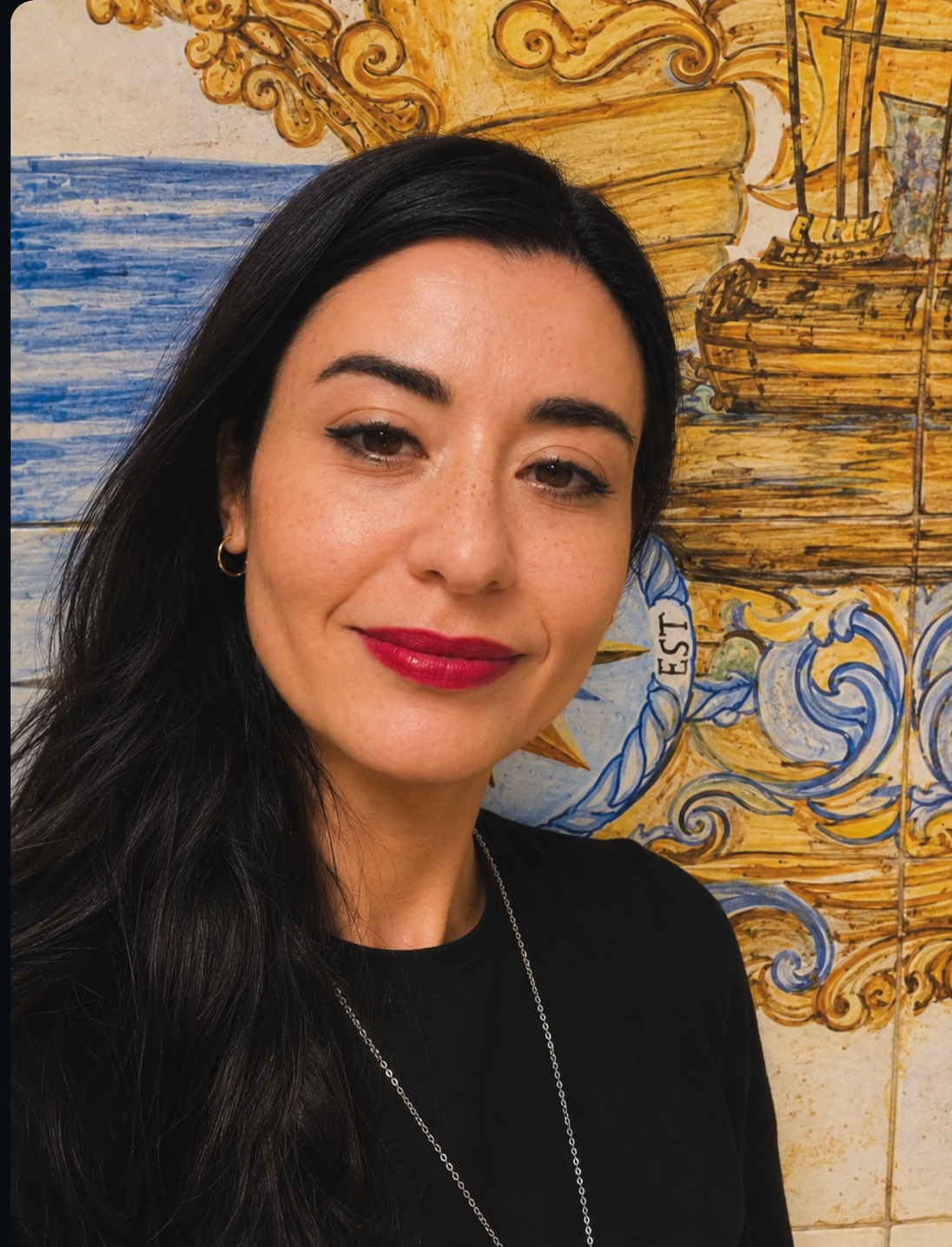
Simona Puca is a medieval historian specialized in Byzantine Civilization (Universidad Complutense de Madrid and Universidad de Alcalá). She holds a PhD in Medieval History and Digital Humanities from the University of Naples Federico II, funded by a PRIN project. Her doctoral research combines traditional historical methods with digital technologies for the analysis, interpretation, and edition of medieval diplomatic sources. She has held research fellowships and undertaken research stays at European institutions, including the Tsiter-Kontopoulou Short-Term Research Fellowship at the Department of Byzantine and Modern Greek Studies, University of Vienna. She has presented her research at conferences in Italy and abroad. Her research focuses on the political and intellectual history of the medieval Mediterranean, particularly relations between the Byzantine Empire and the Latin West. She investigates sovereignty, imperial ideology, and diplomatic representation, especially the ambassador as the emperor's representative and political double. She also examines how the sovereign's physical condition relates to the exercise and representation of political authority, and how blindness, bodily impairment, and visual knowledge shaped medieval understandings of rulership, legitimacy, and power. Her broader interests include the conceptual and methodological foundations of historical research.
Project Description:
Her project centres on an exceptional episode in the history of Byzantine diplomacy under Michael VIII Palaiologos. In 1259–1260, the emperor dispatched two envoys, one blind and the other mute, to Michael II of Epirus and Manfred of Sicily. This unprecedented mission, a hapax in medieval diplomatic practice, provides the starting point for an investigation into the relationship between the body, political representation, and the exercise of sovereign authority. Her project asks how the dispatch of envoys whose physical conditions contradicted the conventional requirements of diplomatic representation could acquire political meaning and function as an instrument of imperial communication. She examines how bodily integrity, sensory capacity, eloquence, and visibility informed the symbolic construction of the sovereign's representative, and how their deliberate subversion could transform the envoy's body into a medium of provocation, derision, and political delegitimisation. At stake is not the exceptional presence of physically impaired individuals in diplomatic missions, but the possibility that bodily difference could be mobilised as a form of political agency. Through this case, she aims to investigate the performative and symbolic dimensions of medieval diplomacy, reconsidering the relationship between diplomatic representation, bodily norms, and imperial legitimacy in the fragmented Mediterranean of the thirteenth century.